
Fruits and vegetables protect health.1
Nutrition is one of the most powerful protective factors for disease prevention and long-term health.2 A healthy diet rich in fruits and vegetables during childhood supports healthy growth, brain development, and immune function, and early exposure to these foods help build taste preferences and eating habits that often last into adolescence and adulthood.3,4,5 Regular and adequate consumption of fruit and vegetables is associated with lower risk of obesity and chronic conditions including type 2 diabetes, heart disease, and some cancers. 6
The indicator to track fruit and vegetable consumption is under development.
Fruit and Vegetable Consumption – Adolescent
This indicator is under development and the baseline, current rate, and target are to be determined (TBD).
More Data about Fruit and Vegetable Consumption – Adolescent
Baseline
TBD
Target
TBD
Fruit and Vegetable Consumption – Adult
This indicator is under development and the baseline, current rate, and target are to be determined (TBD).
Baseline
TBD
Target
TBD
Indicator Highlights
Consuming 2 servings of fruits and 3 servings of vegetables daily (5 servings total) is the optimal target for overall health and longevity.7,8,9,10
Fruits and vegetables are nutrient-dense and relatively low in calories, making them a good source of essential vitamins, minerals, fiber and other plant derived nutrients.7,8,9,10
Different fruits and vegetables contain different combinations of nutrients, aim for a colorful and diverse selection in your daily servings.7,8,9,10
Nutrition Education and Community Support
Implement culturally and linguistically appropriate awareness and education campaigns – such as CalFresh Healthy Living – that increase knowledge and confidence for selecting, preparing, and consuming fruits and vegetables.11
Increase Access and Affordability
Expand policies and programs that make fruits and vegetables more affordable and available in communities – such as supplemental food assistance, voucher incentive and produce prescription programs, farmers markets and community gardens, and retail strategies that improve healthy food access.12,13,14
Strengthen Healthy Food Environments
Promote nutrition standards and environmental approaches in schools, workplaces, healthcare settings, and other community settings that make fruits and vegetables the easy, visible, and default choice.12,13,14
|
Stories & Solutions
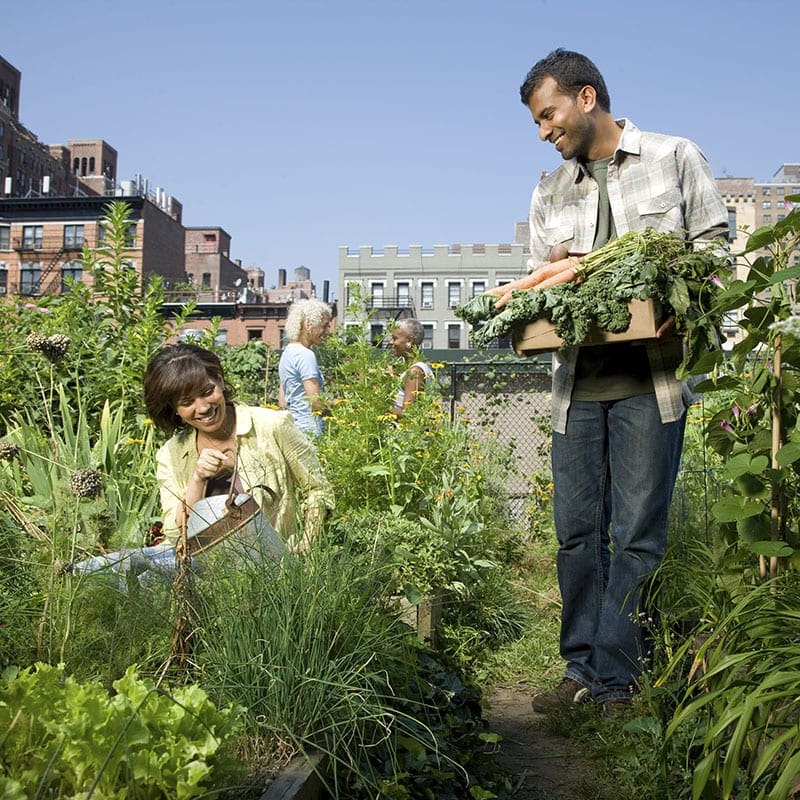
Skid Row Healthy Food Micro-Enterprise Project
Skid Row Healthy Food Micro-Enterprise Project by the Los Angeles Community Action Network is a pilot project in the early stages of development that seeks to serve the Skid Row community of Downtown Los Angeles.
Ending Hunger in Orange County (OC)
Orange County experiences a unique disparity in which it ranks sixth in highest median income statewide, while also ranking ninth nationwide in counties with the highest number of people facing food insecurity.
Share Your Story
Want to engage in moving the dial on the Living Well goal? Share your impact story!